Copper held just below its record high Tuesday as back-to-back labor disputes at two of Chile's largest mines kept a floor under prices, with a mediation clock now ticking at both operations before either side can legally strike. Benchmark three-month copper on the London Metal Exchange traded at $14,447 a metric ton, up 0.2% and within a few percent of this month's record near $14,875.
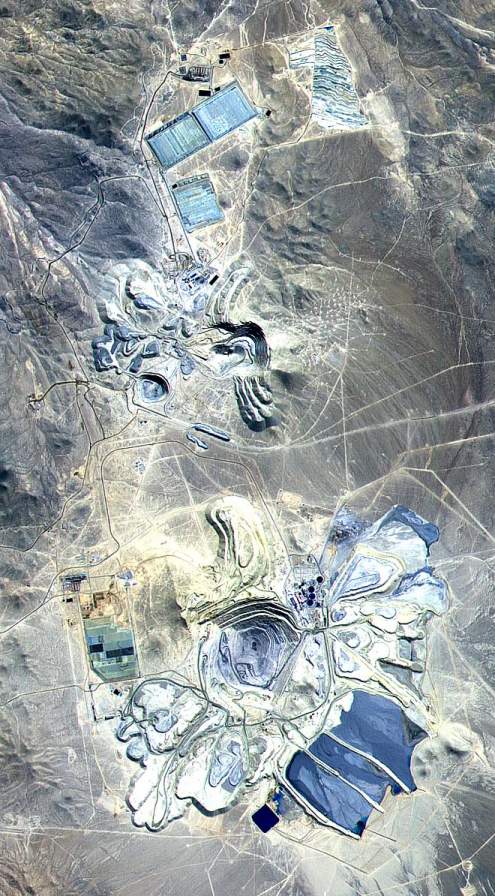
At Antofagasta Minerals' Centinela mine, workers in two unions voted 98.73% in favor of a strike after rejecting the company's final contract offer on Monday. Centinela produced 240,400 tonnes of copper last year. Under Chilean labor law, a mandatory five-day government mediation period must run its course — and can be extended another five days — before either side can legally walk out or lock workers out.
A similar clock has been running at BHP's Escondida, the world's largest copper mine, where the supervisors' union closed a three-day rejection vote on the company's latest wage offer Wednesday. The union's leadership had urged members to vote no after weeks of tense talks that were complicated by a fatal accident on site during negotiations; BHP has said its offer "contains improvements and new benefits" over the current contract. Escondida is majority owned and operated by BHP, with Rio Tinto holding 30% and a consortium of Mitsubishi and JX Nippon Mining and Metals holding the remainder.
Inventory Squeeze
The disputes are landing on an already tight physical market. LME warehouse stocks fell another 875 tons to 251,350 tons, and only about half of that metal is actually available for trading rather than earmarked for delivery. Meanwhile U.S. Comex inventories have risen for six straight sessions and topped 700,000 metric tons for the first time, evidence of how much metal has been pulled into the United States over the past year.
The global market has been starved of inventory because it continues to be transferred into the US.
Tom Price, analyst, Panmure Liberum
Copper sales account for roughly 60% of Chile's export earnings, and the country supplies close to a quarter of the world's mined copper, so simultaneous stoppages at Centinela and Escondida would be felt well beyond the smelters. A firmer U.S. dollar and elevated oil prices have offset some of the strike premium so far, but traders say that could change quickly if mediation fails at either mine in the coming days.