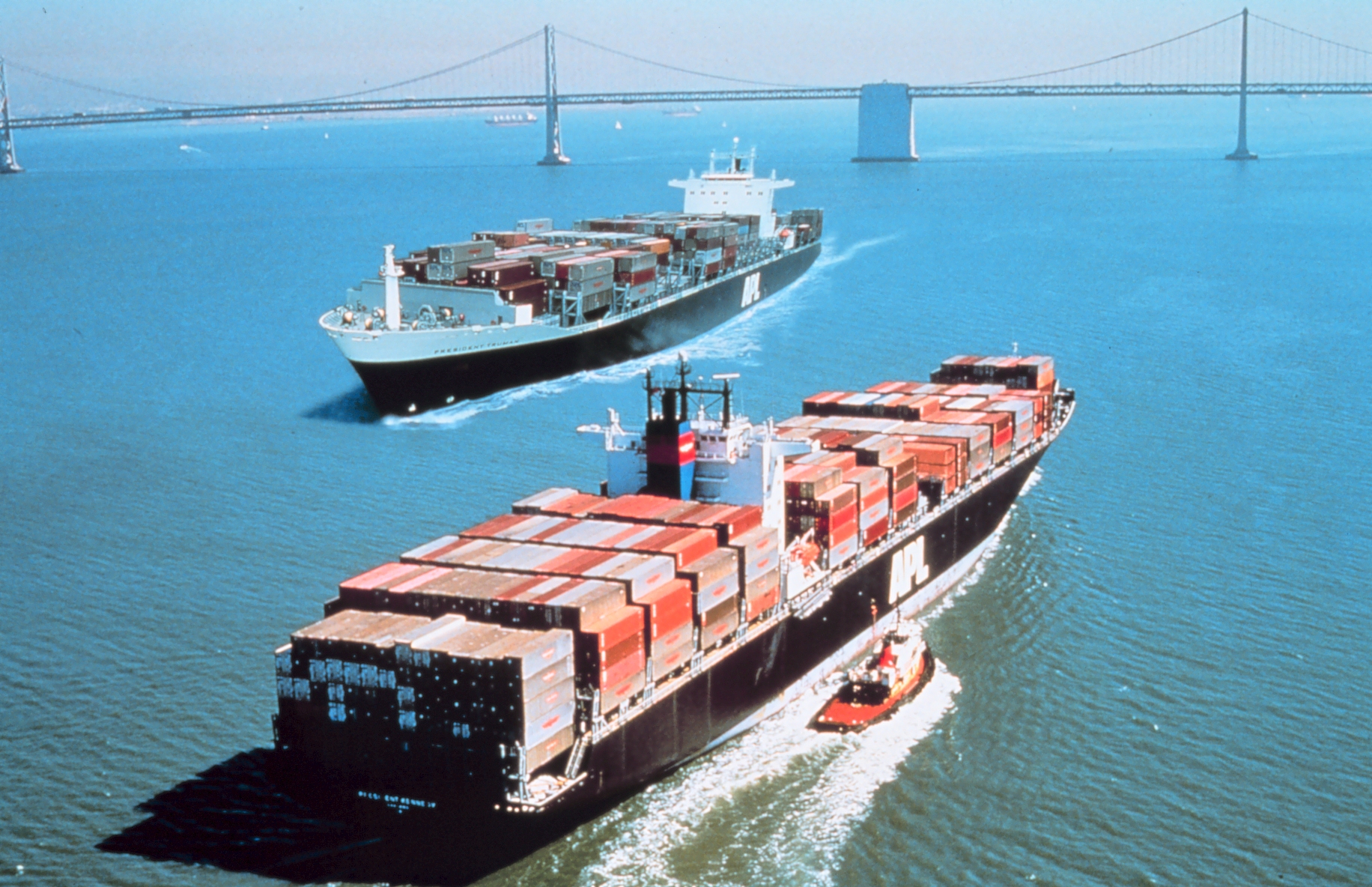
Container shipping rates from Asia to the United States have reached what the freight analytics firm Xeneta calls their "post-Hormuz crisis peak" for the year, with spot prices still running more than four times pre-crisis levels even as the market shows the first signs of cooling.
Xeneta's weekly index, published this month, put the average spot rate from the Far East to the U.S. West Coast at $8,346 per 40-foot container as of Oct. 1, up 1.4% from the week before. The East Coast lane rose 0.7% to $11,523 per container. Both figures are more than four times the levels recorded on Feb. 28, before a blockade of the Strait of Hormuz tore through global container trade.
From Near-Shutdown to a Plateau
The Hormuz disruption, which began in late February amid an escalating conflict involving Iran, nearly halted Gulf shipping at its worst point — vessel traffic through the strait fell to a handful of ships a day, against a prewar average of roughly 130. Carriers responded with emergency surcharges of up to several thousand dollars per container on Gulf-bound cargo, while trans-Pacific capacity tightened and blanked sailings multiplied, pushing spot rates on the main U.S. lanes to levels not seen since the 2024 Red Sea crisis.
Xeneta Chief Analyst Peter Sand said easing port congestion in Asia, as typhoon season winds down, and reduced export volumes during China's Golden Week holiday both took pressure off the market in the past week. He expects rates to retreat over the next three months rather than crash: East Coast spot rates easing toward $6,000-$7,000 per container and West Coast rates toward $4,500-$5,500, according to Xeneta's outlook, carried by the American Journal of Transportation.
A sizeable correction, but not a collapse.
Peter Sand, Chief Analyst, Xeneta
The gap between the two U.S. coasts has also widened sharply, with Sand expecting it to narrow as East Coast rates fall further and faster than those on the West Coast. Rates on routes from Asia to North Europe and the Mediterranean, which peaked earlier in the crisis, have already been declining since early July — a pattern Xeneta expects the U.S. lanes to eventually follow.
For importers and retailers stocking shelves ahead of the holiday season, the message is that elevated freight costs are likely to persist through year-end even as the worst of the spike passes. Sand cautioned that any fresh escalation around the Strait of Hormuz, which remains effectively closed to mainstream container traffic, could reverse the cooldown just as quickly as it arrived.