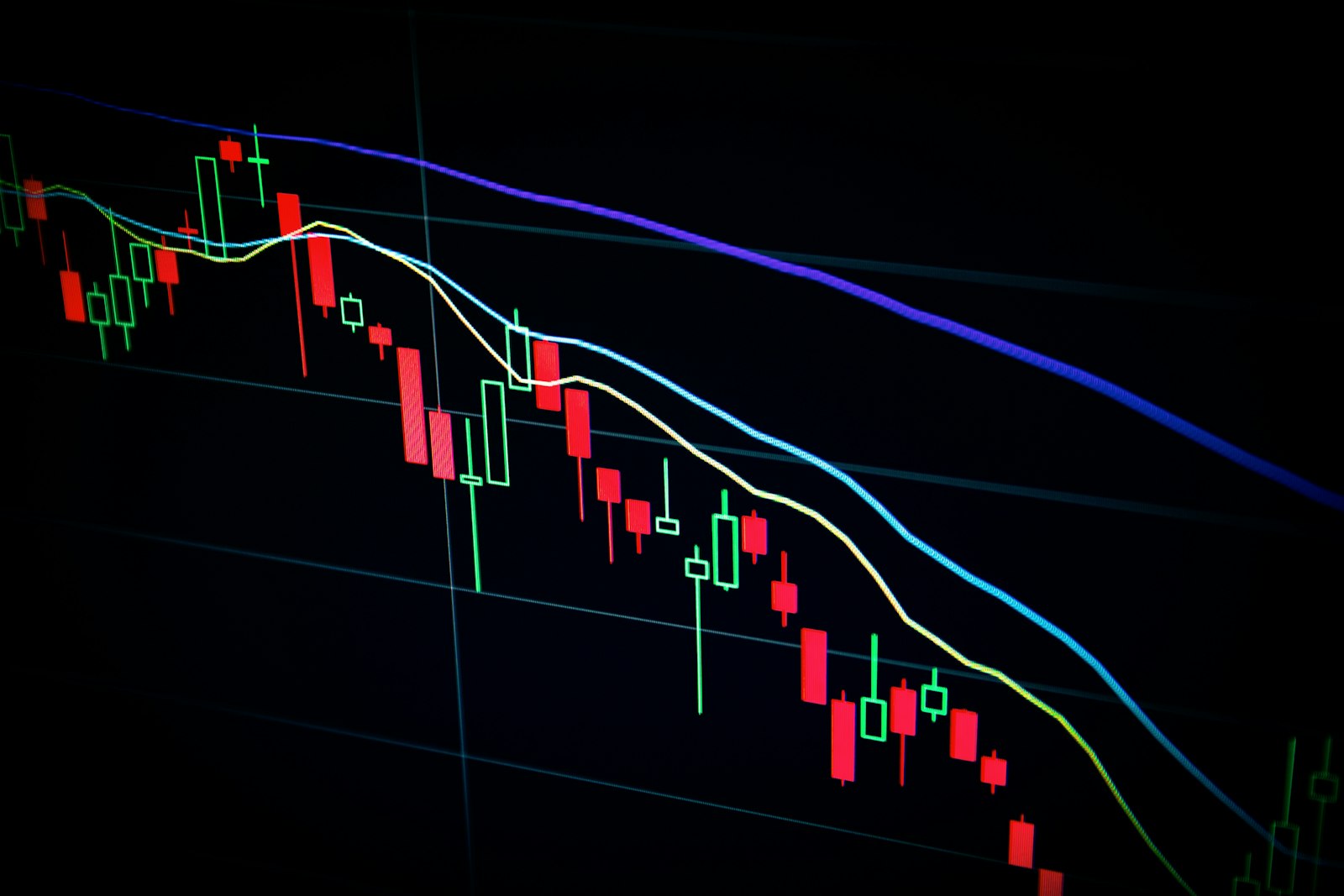
A hotter-than-expected inflation report jolted financial markets on Wednesday, reviving talk of a Federal Reserve interest-rate increase this month and triggering a broad selloff in gold, chip stocks and other assets that had priced in a steadier policy path.
The Labor Department's Consumer Price Index report showed prices rose 3.7% in September from a year earlier, up from 3.4% in August and above the 3.6% economists had expected. On a monthly basis, the all-items index climbed 0.6%, seasonally adjusted, compared with 0.4% in August. Core inflation, which excludes food and energy, rose 2.6% year over year, up from 2.4%, with the monthly core reading holding at 0.3%.
Energy prices did much of the damage. The energy index jumped 5.2% from August, with gasoline alone up 9.1% for the month and 20.4% over the past year, according to the bureau's full breakdown. Grocery prices were flat, and shelter costs, the stickiest component of the index in recent years, rose 0.4%, slightly faster than August's 0.3% pace.
The jump matters because of where the Fed appeared to be heading into Wednesday's report. After a run of rate cuts earlier this year aimed at shoring up a cooling labor market, the central bank had been widely expected to hold steady for the rest of 2026. A rate increase in the same year the Fed has already been cutting would mark an unusual reversal, which is part of why the inflation surprise moved markets as sharply as it did.
Markets reprice the Fed
The reaction was immediate. Gold, which had already slipped for three straight sessions heading into the report on expectations of a hot print, extended its losses and fell below $4,100 an ounce by the end of the day, while silver plunged roughly 6%, according to a market-reaction roundup from Kitco News. The dollar jumped against major currencies, and both stocks and Treasury bonds were dented, wire reports said, as traders pushed up the odds of tighter policy.
The jitters spread quickly to technology shares tied to artificial-intelligence spending. Nvidia fell more than 3% and Dutch chip-equipment maker ASML dropped nearly 4%, deepening a global semiconductor selloff that sent South Korea's KOSPI index down more than 7.5% on the same combination of worries: stretched valuations, and now, the prospect of higher borrowing costs.
Citigroup's economists turned hawkish within hours of the release, telling clients they now expect the Fed to raise rates in December. Analysts at Natixis said the data came in "far enough from consensus" to put an October increase back on the table — a notable reversal after months in which investors had largely bet on the central bank holding steady or easing further.
A split Fed, and what comes next
The report landed on a Federal Reserve that was already divided over how much more tightening, if any, the economy needs. Boston Fed President Susan Collins said days before the release that another rate increase remained "on the table" before year-end, while New York Fed President John Williams said he saw no need for a hike in 2027 and Governor Christopher Waller argued inflation expectations remained "well anchored." Chicago Fed President Austan Goolsbee, who had separately warned that AI-driven demand for chips, power and data centers was "jumping out of its lane" and stoking price pressures, called the September data "discouraging." Governor Michelle Bowman struck a more cautious note, saying policymakers still had time to "wait and see" before acting.
That split sets up a tense run-up to the Fed's next policy meeting. Traders will be watching upcoming producer-price and employment data for confirmation that September's jump was more than a one-month blip driven largely by gasoline costs, while several of Wall Street's largest banks reporting earnings this week will face questions about how a higher-for-longer rate path could affect lending, trading and deal activity. For now, markets are left pricing in an outcome few expected as recently as last week: that the Fed's next move could be up, not down.