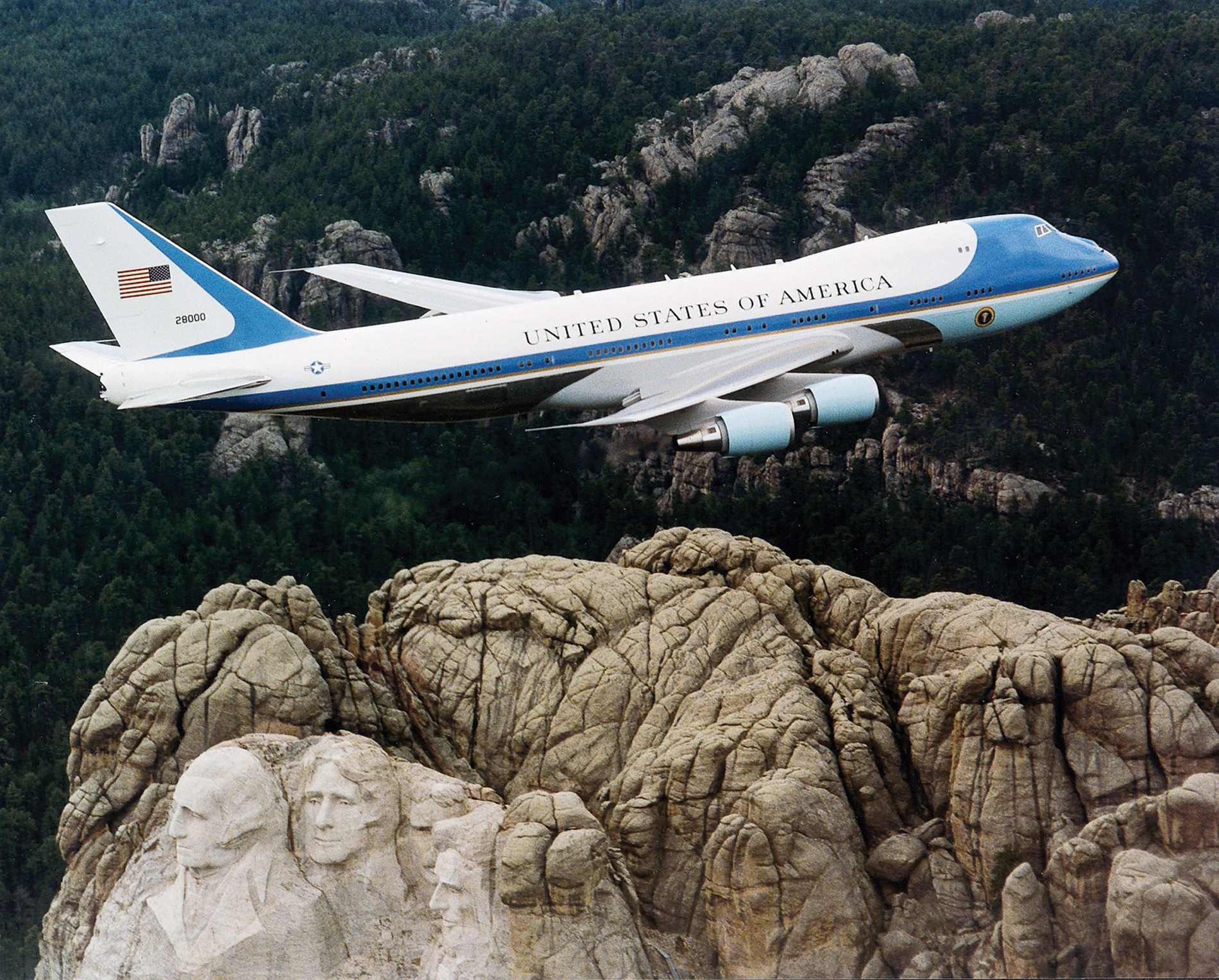
New reporting this week revealed that President Trump was secretly moved off Air Force One and flown out of Turkey on a decoy aircraft last month, after intelligence officials identified a specific threat that Iranian operatives intended to fire a missile at his plane as he left a NATO summit in Ankara.
According to accounts from ABC News and other outlets, U.S. officials learned that a person near the summit site had been spotted with a shoulder-fired missile, and that Iranian operatives appeared to know precisely where Trump was staying in Ankara, down to the floor of the building. The threat assessment came weeks after U.S. military strikes on Iranian targets, which officials said had elevated the risk to Trump's movements abroad.
A catering truck and a switched plane
To conceal Trump's departure, security personnel had him board the familiar blue-and-white Boeing 747 in front of the traveling press pool, as usual. Minutes later, Trump and several aides slipped out through a door on the aircraft's far side into the raised cargo hold of an airline catering truck, which lowered them to the tarmac and drove them to a waiting Air Force C-32A, a modified Boeing 757, according to reporting on the operation. Reporters and staff who remained aboard the original 747 were told to lower their window shades for takeoff and flew onward believing the president was still on board.
The maneuver, effectively using the marked presidential aircraft as a decoy, is among the more elaborate security measures publicly disclosed for a sitting president's travel. Trump, asked about the episode by reporters this week, said he had simply followed the recommendations of the Secret Service and military personnel, who he said had offered him a different flight they considered equally safe.
The disclosure has raised fresh questions about the security of presidential travel amid heightened tensions with Iran, and about how such threats are communicated to the press corps and staff who unknowingly served as decoys aboard the original aircraft. Lawmakers and aviation-security analysts are likely to press the White House and Secret Service for more detail on the threat assessment and on whether similar arrangements have been used, or will be used, on other foreign trips.