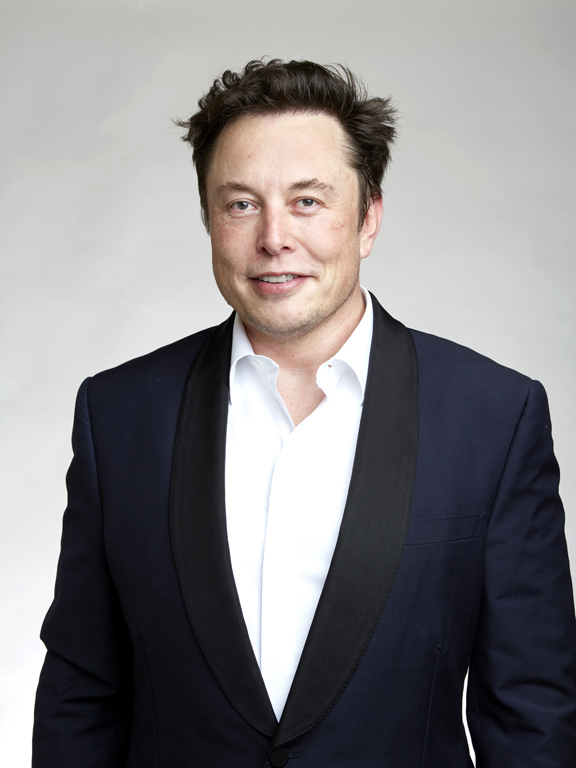
Elon Musk said Wednesday that he felt "pretty foolish" about the $446 million he poured into last week's midterm elections, after Republicans lost control of both chambers of Congress despite his record-setting spending.
Musk, the top individual donor of the election cycle, gave the bulk of his money to support President Donald Trump's party, with a particular focus on Texas, where his companies Tesla and SpaceX have major operations. Speaking virtually at the New York Times DealBook Summit, he also said he was "not MAGA" — a notable break in tone from a man who once wore a Make America Great Again hat at a 2024 Trump rally and joked he was "dark, gothic MAGA."
"I'm not sure what MAGA means," Musk said. "If that means sort of blind adherence to a set of policies by the Republican Party, then I certainly don't have that."
A bruising week for the candidates he backed
Democrats flipped both chambers of Congress in the midterms, including historic gains in long-held Republican territory. The highest-profile result for Musk personally came in Texas, where Democrat James Talarico beat Republican Ken Paxton for a US Senate seat; BBC analysis found Musk had spent at least $45 million supporting Paxton's campaign. Musk said he did not see much return for the money he spent on Republican candidates generally, though he argued they likely would have fared worse without it.
He also said he believed Texas's incoming Democratic governor, Gina Hinojosa, who ousted three-decade Republican control of the governor's mansion by defeating Greg Abbott, would govern as a moderate. "I don't think she's a far-left governor," Musk said. "Based on everything I've heard about her, I think things will be fine in Texas with Gina as governor."
Why it matters for his businesses
The shift in Washington carries direct stakes for Musk's companies. Democratic lawmakers taking control of both chambers have pledged closer scrutiny of tech companies, including the data centers that Musk's firms are racing to build, and some have called for investigations into the roughly $10 billion in new federal contracts SpaceX has won since Trump returned to office. In Georgia, where SpaceX operates data centers, the incoming Democratic governor has promised to curb the tax breaks and rapid buildouts those facilities have enjoyed.
Musk spent several months earlier in Trump's term as an unpaid "special government employee" leading the Department of Government Efficiency, and in October was named co-lead of a Pentagon study on the future of warfare, continuing to travel with and advise the president even as his public distance from the MAGA label has grown.