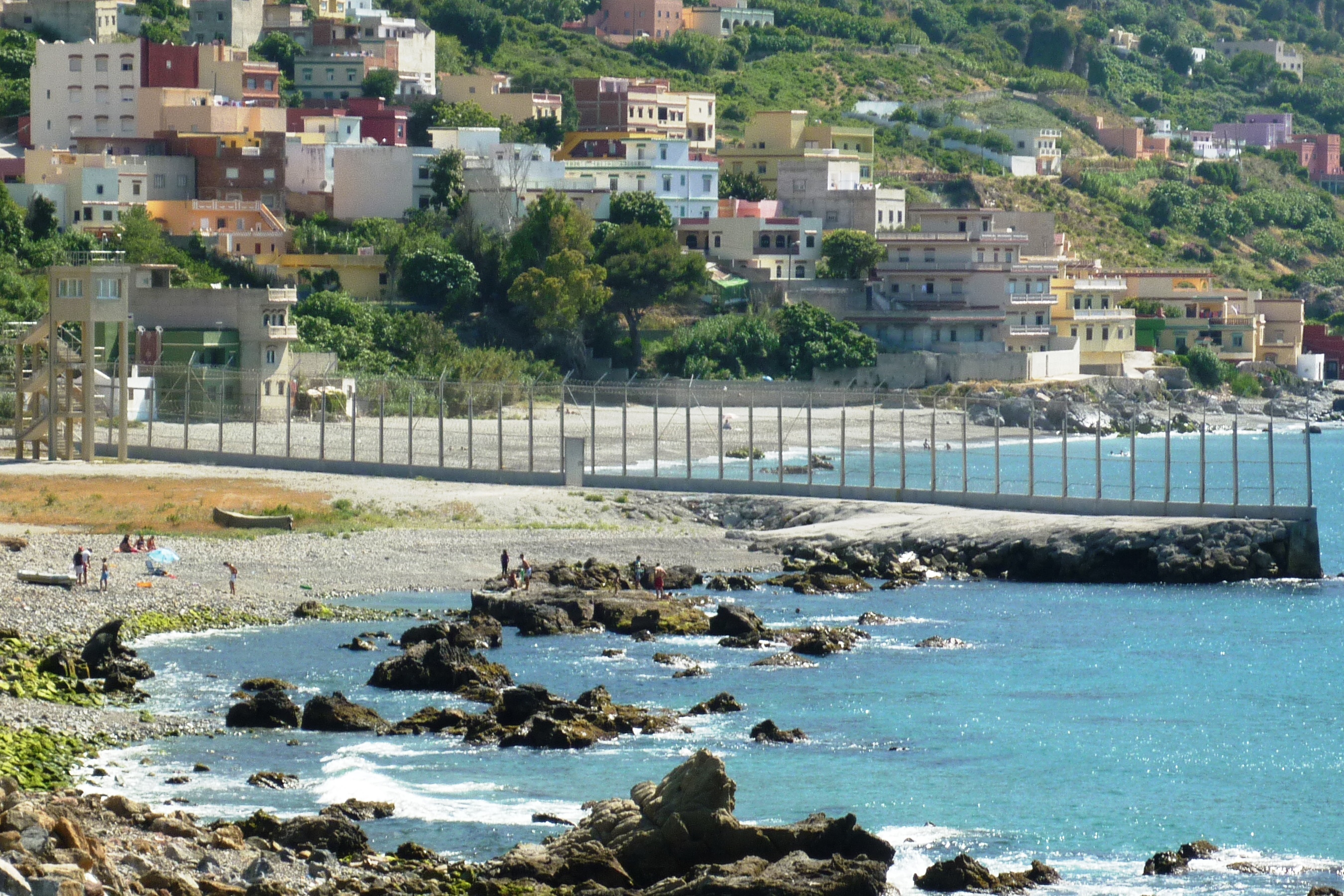
Prime Minister Pedro Sánchez told Spanish lawmakers Thursday that no institution has produced solid evidence that Morocco orchestrated a July mass crossing that brought more than 70,000 migrants into the Spanish enclave of Ceuta, a day after roughly 50,000 protesters gathered in Madrid alone to demand his government resolve the crisis.
No institution — not the diplomatic service, nor the European Commission, nor any international body — has provided the Spanish government with any solid evidence that Morocco planned or carried out the incident. None whatsoever.
Pedro Sánchez, Spanish prime minister
Sánchez, in remarks reported by Al Jazeera, acknowledged Moroccan police allowed crossings to continue during a roughly 10-hour peak on July 30, but said Madrid had not established whether that reflected inaction or an inability to contain the crowds. His account sits uneasily beside a Spanish police intelligence report that surfaced this week describing officers who observed Moroccan gendarmes directing groups of migrants toward specific crossing points, and plainclothes security personnel giving instructions on how to reach the border breakwater at El Tarajal. The prime minister has previously suggested Russian- and Israeli-linked social media accounts helped amplify negative coverage of the crisis, without providing evidence.
Protesters demand answers
More than 70,000 people crossed from Morocco into Ceuta on July 30 and 31; Spanish officials say at least 80 people died during the crossing, and roughly 5,000 migrants, including some 1,200 minors, remain in the city more than five weeks later. Demonstrators who rallied Wednesday in Madrid, Ceuta and other cities, carrying signs reading "Ceuta is not for sale," accused Sánchez's government of losing control of the border and mishandling the aftermath. Conservative Popular Party leader Juan Jesús Vivas called the episode a "violation of Spain's territorial integrity," while Sánchez's territorial policy minister accused opposition parties of exploiting the crisis rather than proposing solutions.
The government has pledged 309 million euros, about $357 million, in emergency housing and social-services funding for the enclave. But with the source of the crossing still contested and Sánchez governing with a fragile parliamentary majority, the political fallout shows few signs of subsiding, and a formal government position on Morocco's role remains unresolved five weeks after the mass crossing began.