Researchers at Mayo Clinic and the Sanford Burnham Prebys Medical Discovery Institute say they have identified how worn-out "zombie" cells manage to keep the immune system on high alert as the body ages — a mechanism that, in mice, could be blocked with an experimental compound.
The study, published this month in Nature, focuses on senescent cells: cells that have stopped dividing but, contrary to older assumptions, remain metabolically active and pump out a cocktail of inflammatory molecules known as the senescence-associated secretory phenotype, or SASP. That chronic, low-grade inflammation is thought to contribute to frailty, cardiovascular disease, neurodegeneration and other conditions that accumulate with age.
Two mitochondrial signals, not one
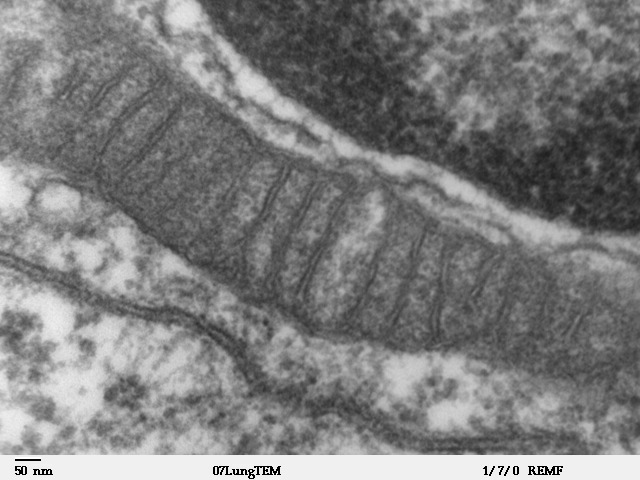
The team, led by Mayo Clinic physiologist João Passos with Sanford Burnham Prebys' Peter Adams as co-corresponding author, traced the process to the cell's mitochondria. Damaged mitochondria in senescent cells leak DNA and RNA that trip the immune system's alarm pathways — a mechanism already known to researchers. But the new work shows that signal alone isn't sufficient to switch on inflammatory genes. Senescent cells also ramp up production of a molecule called acetyl-CoA through mitochondrial metabolism, which loosens the DNA packaging around SASP genes and makes them accessible in the first place. Only when both signals converge do the inflammatory genes fully switch on.
Senescent cells are not completely inert. They remain metabolically active and have an inflammatory program causing them to secrete inflammatory molecules.
Peter Adams, PhD, Sanford Burnham Prebys Medical Discovery Institute
Using that insight, the researchers tested a compound called CTPI-2, which blocks the mitochondrial transport step needed to generate acetyl-CoA. In mice, blocking that pathway reduced inflammation across multiple tissues and improved measures of tissue function during aging — evidence, the team says, that intercepting the metabolic signal rather than the immune alarm itself could be a viable route to dialing down age-related inflammation.
A mouse result, not a treatment
It's important to be clear about what this study does and doesn't show: the intervention was tested only in mice, CTPI-2 is an experimental research compound with no approval for human use, and the paper does not report human trial data or long-term safety findings. Translating a mitochondrial-blocking strategy into a human therapy — one precise enough to quiet harmful inflammation without disabling cells' normal energy metabolism — remains an open, and likely years-long, challenge. The researchers frame the work as identifying a promising target for future drug development, not a near-term treatment.