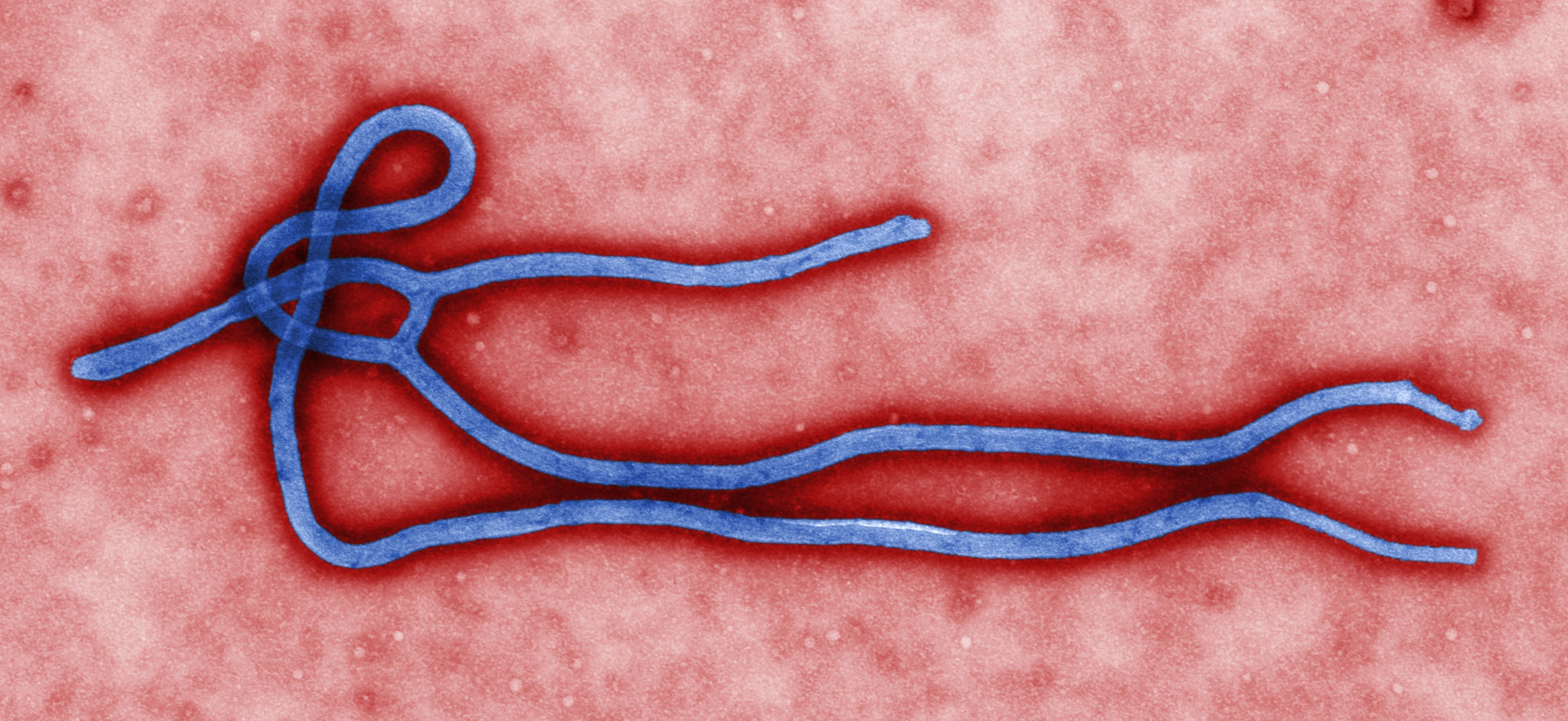
The Democratic Republic of the Congo's health ministry confirmed Sunday that the Ebola outbreak that began in Ituri province in May has now killed more than 5,000 people, making it the deadliest in the country's history and the second-largest Ebola outbreak ever recorded, behind only the 2014-16 West Africa epidemic that killed over 11,300 people.
The ministry has logged more than 10,300 confirmed cases across eight of the country's 26 provinces, a case-fatality rate of nearly 49 percent. It is the 17th Ebola outbreak in Congo's history and the first caused by the Bundibugyo species, for which there is no approved vaccine or treatment; clinical trials of candidate therapies are underway but not yet complete. The country's previous worst outbreak, in 2018-20, killed 2,299 people.
Ituri's status as an active conflict zone has made containment far harder than in past outbreaks, complicating everything from contact tracing to safe burials. The virus has already crossed borders: Kenya has recorded nine cases and two deaths, Uganda has reported two deaths among 20 cases with none since August, and Nigeria isolated two suspected cases, including one patient flown to Switzerland for treatment after an earlier confirmed infection.
Responders under attack
The World Health Organization's Africa office says the outbreak is killing people at a faster rate than previous epidemics and is calling for scaled-up control measures and deeper community outreach. That outreach has come at a cost: a nurse was killed and another health worker injured this past week after residents accused them of spreading the virus, and a local politician was beaten to death last month for promoting anti-Ebola measures. The Red Cross has logged 11 violent incidents against its volunteers in the outbreak's first 100 days alone, including a burned ambulance.
Health officials say mistrust, rooted partly in the region's long history of armed conflict and partly in rumors spread on social media, remains one of the biggest obstacles to ending the outbreak — alongside the sheer difficulty of reaching patients in territory contested by armed groups. The ministry says it is working with the WHO and international partners to expand treatment centers and accelerate vaccine trials, but gives no timeline for when the outbreak might be brought under control.