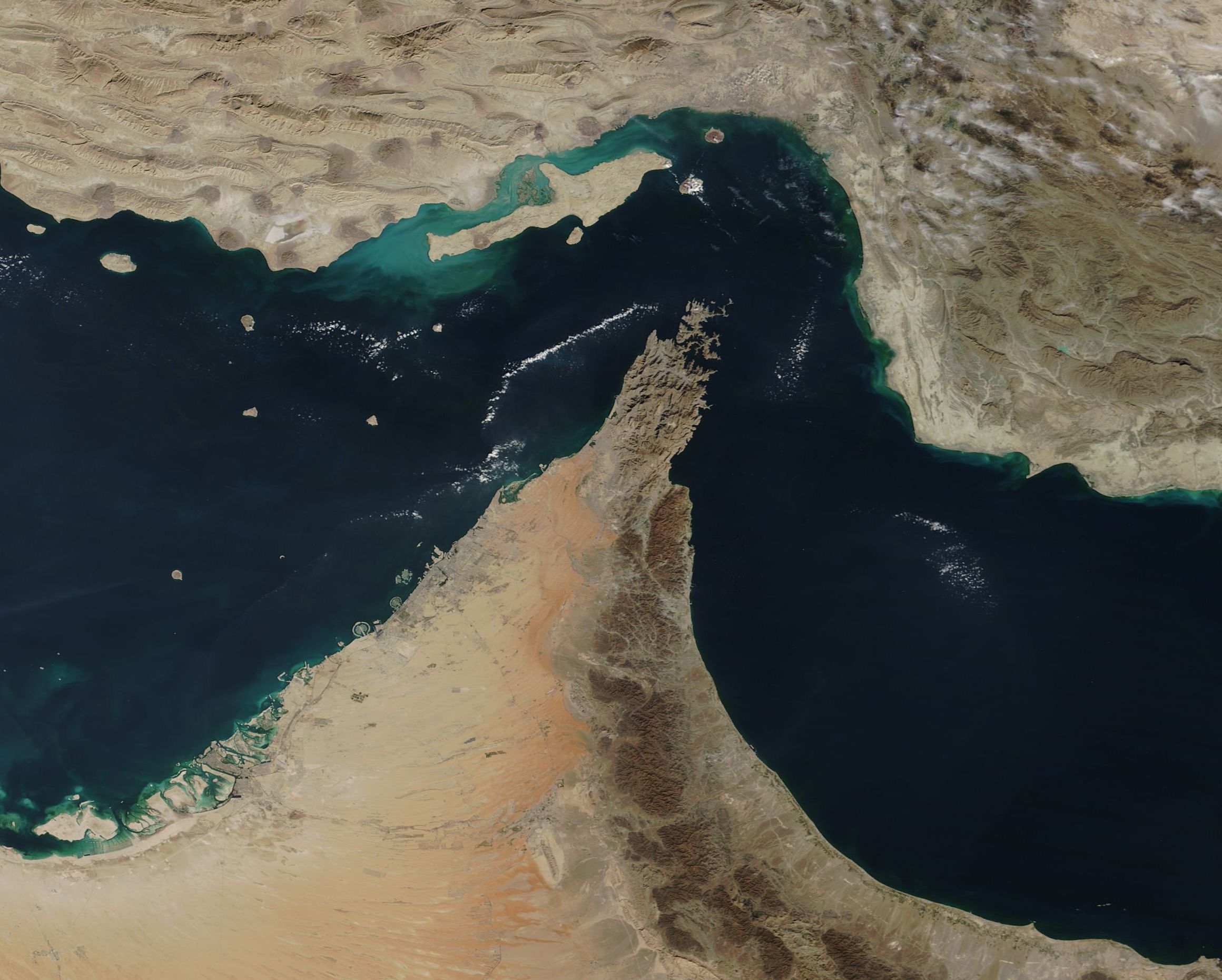
Two container ships have sunk near the Strait of Hormuz after being struck by missiles or projectiles, the sharpest escalation in attacks on commercial shipping since the United States and Israel went to war with Iran in February, maritime officials said Wednesday.
The Singapore-flagged GFS Pride sank Wednesday, a day after it was struck. Hours later the Antigua and Barbuda-flagged Cape Dao went down close to the strait; it had been hit by a projectile on Sept. 23, according to data from the International Maritime Organization. Iranian state television said the GFS Pride, carrying roughly 2,500 containers, struck a naval mine while travelling an "illegal and dangerous route," attributing the account to the Islamic Revolutionary Guard Corps. The UK Maritime Trade Operations monitoring group, however, said both vessels had been hit by unidentified projectiles, casting doubt on Tehran's version of events.
The sinkings capped a surge in attacks: UKMTO logged at least five incidents, including drone strikes, in the 48 hours to Wednesday, and six vessels were attacked in a single day on Sunday. An analysis cited by the Financial Times found 24 ships were hit in the two weeks to Oct. 11, including three refined-product tankers and two crude carriers. "There is a tempo increase in strikes, which looks deliberate," one maritime security source said.
A war now shaping an American election
The conflict began Feb. 28, when US and Israeli strikes targeted Iran's nuclear and missile programs, reportedly killing Supreme Leader Ali Khamenei along with other senior officials. Eight months on, the fighting has settled into a grinding contest over the Hormuz chokepoint, through which roughly a fifth of the world's oil normally passes. Shipping traffic has fallen well below its pre-war pace as insurers and operators steer clear, and the US military has taken to escorting vessels along a route closer to Oman's coast.
Two Iranian officials told Reuters that the stepped-up pace and the shift in tactics were deliberate, intended to influence the outcome of the Nov. 3 US midterm elections, which will decide control of Congress. "The aim is to frustrate efforts by the United States and its allies to bring down global oil prices," one of the officials said, adding that the strategy had been approved at the highest levels of Iran's government and coordinated across its ruling system.
A US military official said Iran had also changed how it finds targets. After American strikes destroyed much of Iran's radar capability, the Revolutionary Guard began using unarmed spotters on small boats and dhows to identify potential targets, including American naval vessels, the official said. Last week, in a previously unreported episode, US forces confronted a dhow being used for spotting, ordered its crew to abandon ship and destroyed the vessel; there were no casualties, the official said.
The toll on American motorists has been immediate. Fuel prices have climbed by nearly 70% since the war began, according to AAA tracking, with California drivers now paying an average of $6.20 a gallon. President Donald Trump has sought to redirect blame for the pain at the pump, writing on social media this week that Houthi rebels striking Saudi Arabia were acting "probably at the behest of Iran … purposefully trying to drive up Oil Prices, probably prior to the U.S. Elections." The Trump administration has also pointed to Ukrainian strikes on Russian refineries as a factor pushing up prices.
Republicans brace for a verdict at the polls
The economic fallout is landing squarely on the party controlling Washington. Reporting this month described Republicans bracing for a backlash as oil climbed past $100 a barrel, and the party's own pollsters have logged falling confidence in the administration's economic stewardship. Trump has said he expects prices to ease once the war with Iran is resolved, telling reporters the costs would fall "right after the election."
For now, the strait remains contested. UKMTO continues to advise vessels to use heightened caution, insurers have raised premiums for Gulf transits, and Gulf states have pressed both Washington and Tehran for restraint. With three weeks left before Americans vote, neither side has signaled it is prepared to de-escalate, and shipowners say they expect the pace of attacks to continue, if not intensify, as the election nears.