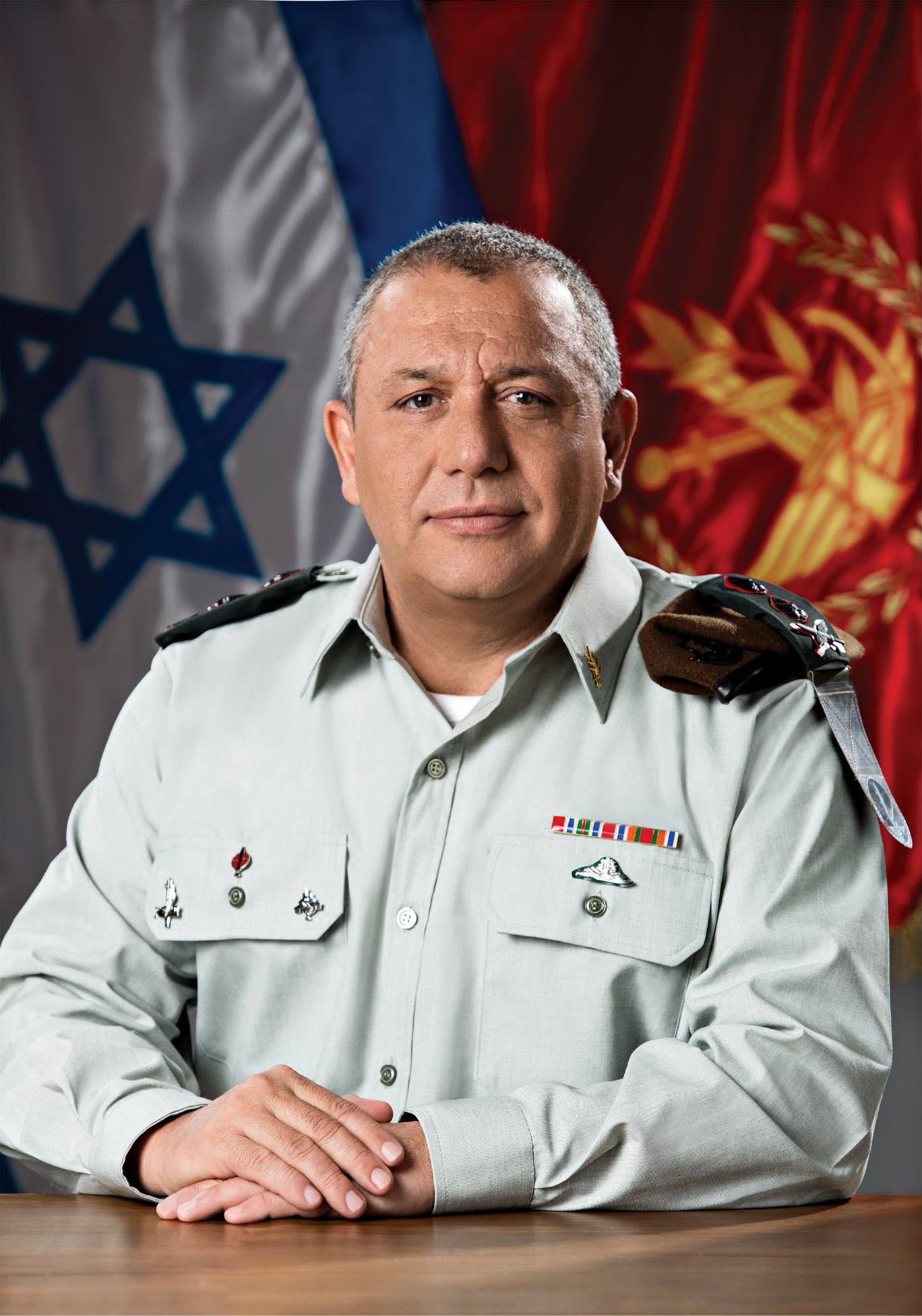
Israeli President Isaac Herzog said Sunday he would task opposition leader Gadi Eisenkot with trying to form the country's next government, after neither Eisenkot's bloc nor Prime Minister Benjamin Netanyahu's secured a majority in last week's election.
"Now is the time to form a national emergency government. I will do everything to ensure we are worthy," the former military chief wrote on X after the announcement. Eisenkot now has 28 days to build a coalition, with a possible 14-day extension — and, as in every Israeli election, no single party won an outright majority, meaning any government will again be a coalition.
A kingmaker role for Arab-led parties
Netanyahu's right-wing Likud, together with its far-right and ultra-Orthodox allies, won 53 of the Knesset's 120 seats; Eisenkot's centrist Yashar party and three allied opposition parties won 48. Two Arab-led alliances, the United Arab List and the Joint List, together won an unprecedented 19 seats after a surge in Arab voter turnout — positioning them as potential kingmakers even though all but one of the Jewish parties pledged before the election not to govern with them.
Herzog's office said that after a week of consultations with incoming lawmakers, Eisenkot had received 67 recommendations for the premiership against 46 for Netanyahu, according to Ynet's tally of the party endorsements. The president has broad discretion over whom to task with forming a government and does not have to pick the leader of the largest bloc. Analysts have sketched three paths out of the deadlock: a national-unity government spanning both Netanyahu and Eisenkot, a right-wing coalition built from defectors in Eisenkot's bloc, or an Eisenkot-led government leaning on the Arab parties — an option Eisenkot and nearly everyone in his bloc has so far ruled out, despite reporting that a deal remains under discussion.
There is precedent for unity: in 2020, after three deadlocked elections, Netanyahu and centrist rival Benny Gantz agreed to rotate the premiership between them. Herzog, during his consultations, had urged party leaders to accept that "not every commitment and promise can be fulfilled" if a stable government is to be built — an implicit warning against repeating 2019–2022, when five elections in three years failed to produce a lasting coalition.
If Eisenkot cannot assemble a majority within his window, Herzog could hand the mandate to another lawmaker, or Israel could be forced into yet another election early next year — an outcome officials across the political spectrum have said they want to avoid after a campaign that left the public exhausted and the Knesset more fragmented than ever.