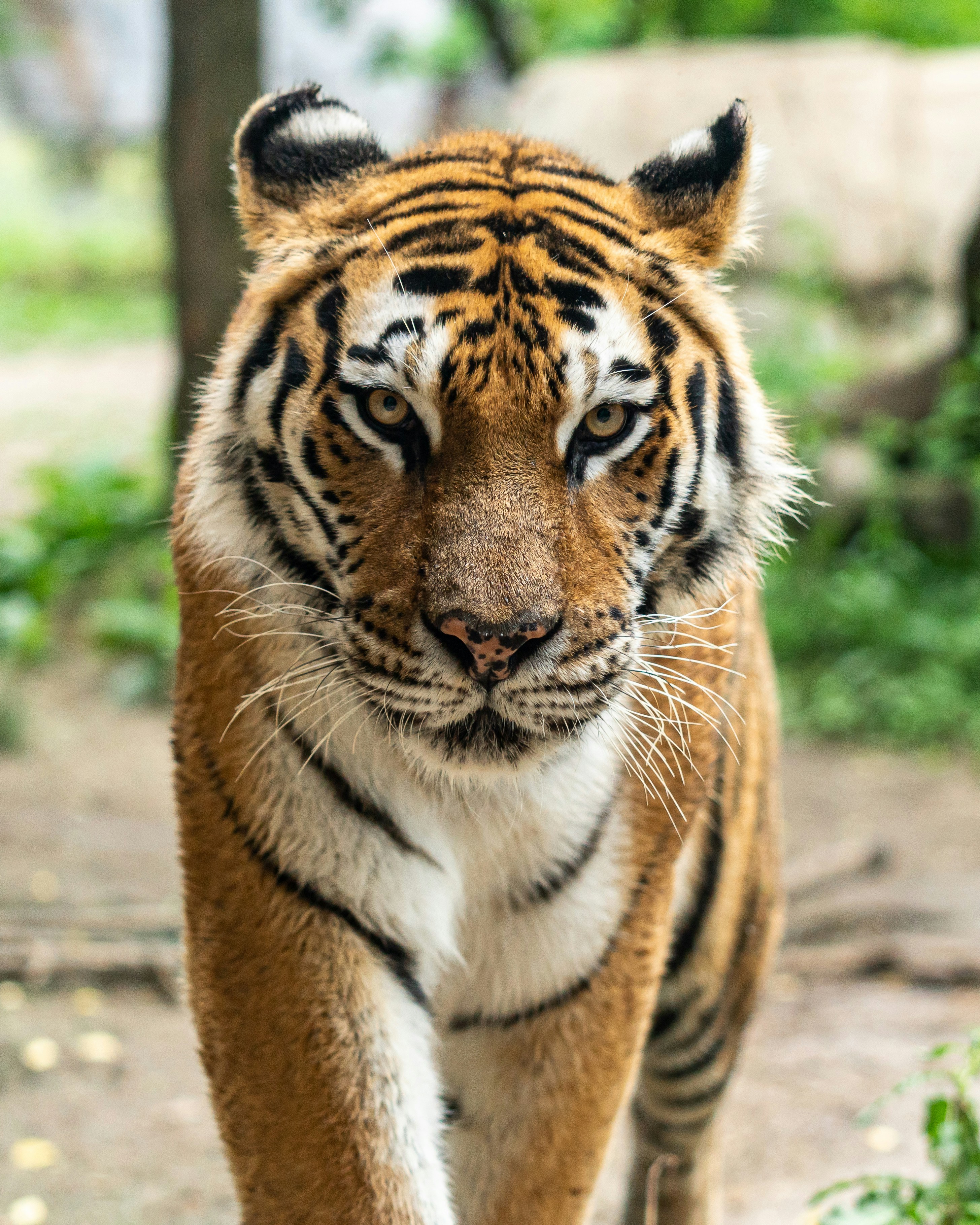
Thirty lions and tigers from Argentina's long-shuttered Luján Zoo began traveling this month to new sanctuaries in the United States and South Africa, closing out years of uncertainty for big cats whose former owners lost the right to keep them. The animal-welfare group Four Paws is overseeing the transfer, which it has called one of the largest relocations of captive big cats attempted anywhere in the world.
The Luján Zoo, about 70 kilometers northwest of Buenos Aires, was shut down by Argentine authorities in 2020 over safety and welfare violations. At closure it held roughly 200 big cats; by the time Four Paws arrived on site in 2023, 112 remained, and the population had fallen further to 62 by the time this month's rescue began, according to the Associated Press. Four Paws took over day-to-day operation of the site two years after its first visit.
Many of the 30 cats selected for relocation arrived at the transfer point with obesity, muscle loss, poor nutrition, dental disease, kidney complications and old injuries from declawing that never healed properly — the accumulated toll, rescuers say, of years of overcrowding and inadequate care.
Two sanctuaries, one flight
Fifteen of the animals — nine tigers and six lions — are headed to Lionsrock, a Four Paws sanctuary in South Africa spread across 60 hectares and already home to more than 80 big cats. The remaining eight tigers and seven lions are bound for the Wild Animal Sanctuary, a large-acreage refuge on the grasslands northeast of Denver, Colorado.
We are putting everything into making this go as smoothly as possible so we can celebrate that 30 lives have improved because of this effort.
Four Paws' D'Abramo
The relocation is being staged in phases given the logistics of moving large predators across continents, and organizers say the cats will spend weeks acclimating in quarantine enclosures before being introduced to their permanent, open-air habitats.