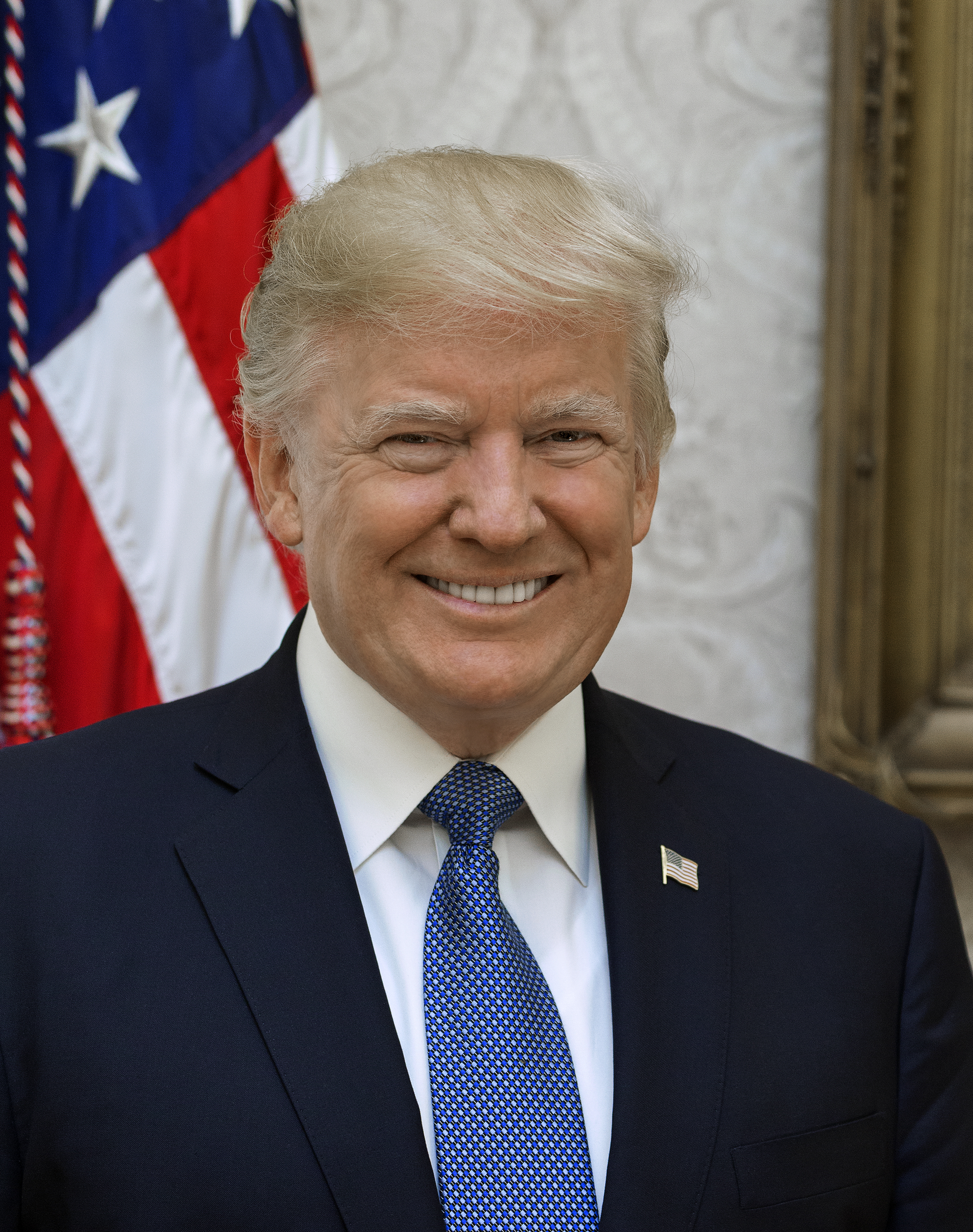
Donald Trump, Xi Jinping and Vladimir Putin sat down together in Shenzhen on Thursday for a trilateral summit that no two of the three had previously managed to arrange since all three have been in power at the same time. The meeting, staged on the sidelines of an Asia-Pacific economic gathering, was choreographed almost entirely by Beijing, which used the occasion to present itself as a convener of great-power diplomacy rather than merely a participant in it.
Trump greeted Putin on the tarmac with a handshake and called him "my friend" before the two were welcomed by Xi, who arranged a rare airport reception for the American president. Speaking afterward, Trump said the gathering was "making history," a line his aides repeated through the day as television crews from dozens of countries covered the arrivals in the southern Chinese tech hub, where driverless cars and delivery drones have become standard street furniture.
A nuclear framework Washington wants, and Beijing resists
The most consequential item on Trump's agenda is arms control. The last major US-Russia nuclear treaty, New START, expired in February, and Washington has pressed for a successor framework that would for the first time bind China's arsenal alongside those of the United States and Russia, which together hold the vast majority of the world's nuclear warheads. China has pushed back, arguing its stockpile is far smaller than the other two and that it should retain freedom to build it up rather than accept outside limits. Beijing unveiled new intercontinental missiles at a 2025 military parade, a display Washington has cited as evidence the gap is narrowing faster than publicly acknowledged.
The question carries extra weight because it touches all three leaders' core interests at once: Trump wants a deal he can present as a diplomatic win heading into a difficult midterm aftermath; Putin wants sanctions relief and a path to wind down the war on favorable terms; and Xi wants to avoid being bound by a framework negotiated primarily by Washington and Moscow without Chinese input into its design.
Ukraine on the agenda, but not by China's choice
China has made clear it does not want the nearly five-year-old war in Ukraine to dominate the summit, even as fighting continues to intensify. Beijing has walked a careful line throughout the conflict, professing neutrality while maintaining close economic ties with Moscow that Western governments say have helped prop up Russia's war economy. A trilateral format forces Xi to sit beside Putin while Trump, who has alternated between pressuring Kyiv and Moscow over the past year, pushes for movement toward a settlement.
The timing is pointed: the summit opened hours after Russia said Ukrainian forces struck the Kerch Strait bridge linking Russia to occupied Crimea for a third time this week, suspending rail traffic after an earlier strike this week brought down a section of the span entirely. Ukrainian President Volodymyr Zelensky called the initial attack an "unprecedented" seven-stage operation. Russia's transport ministry said no one was hurt in Thursday's follow-up strike, while Ukrainian officials reported a Russian drone attack killed at least four people in Odesa on Wednesday.
Why Beijing wanted this moment
For decades, the architecture of global diplomacy ran largely through Washington and its allies. Xi's government has signaled it sees Thursday's summit as evidence that calculus is shifting: a demonstration that China can bring the American and Russian presidents to a table on Chinese soil, on an agenda China helped set, at a moment when Beijing is leaning on its economic weight to assert a bigger role in resolving conflicts it has mostly avoided wading into directly.
Chinese officials are known for tightly scripting high-level visits, and Thursday's proceedings bore the hallmarks: a carefully sequenced arrival order, matched statements from state media, and a backdrop of Shenzhen's futuristic skyline intended to showcase China's technological rise to a global audience.
What happens next
No joint communique had been released by Thursday evening in China, and officials from all three delegations cautioned against expecting a single breakthrough from one day of talks. Trump administration officials said discussions on the arms-control framework would likely continue through separate channels in the coming weeks regardless of the summit's outcome. Kremlin spokesman Dmitry Peskov said only that the talks were "substantive," while Chinese state media emphasized the symbolism of the gathering itself over any specific deliverable. Diplomats from allied capitals in Europe and Asia said they would be watching most closely for any signal on Ukraine, even a modest one, given how rarely all three leaders occupy the same room.