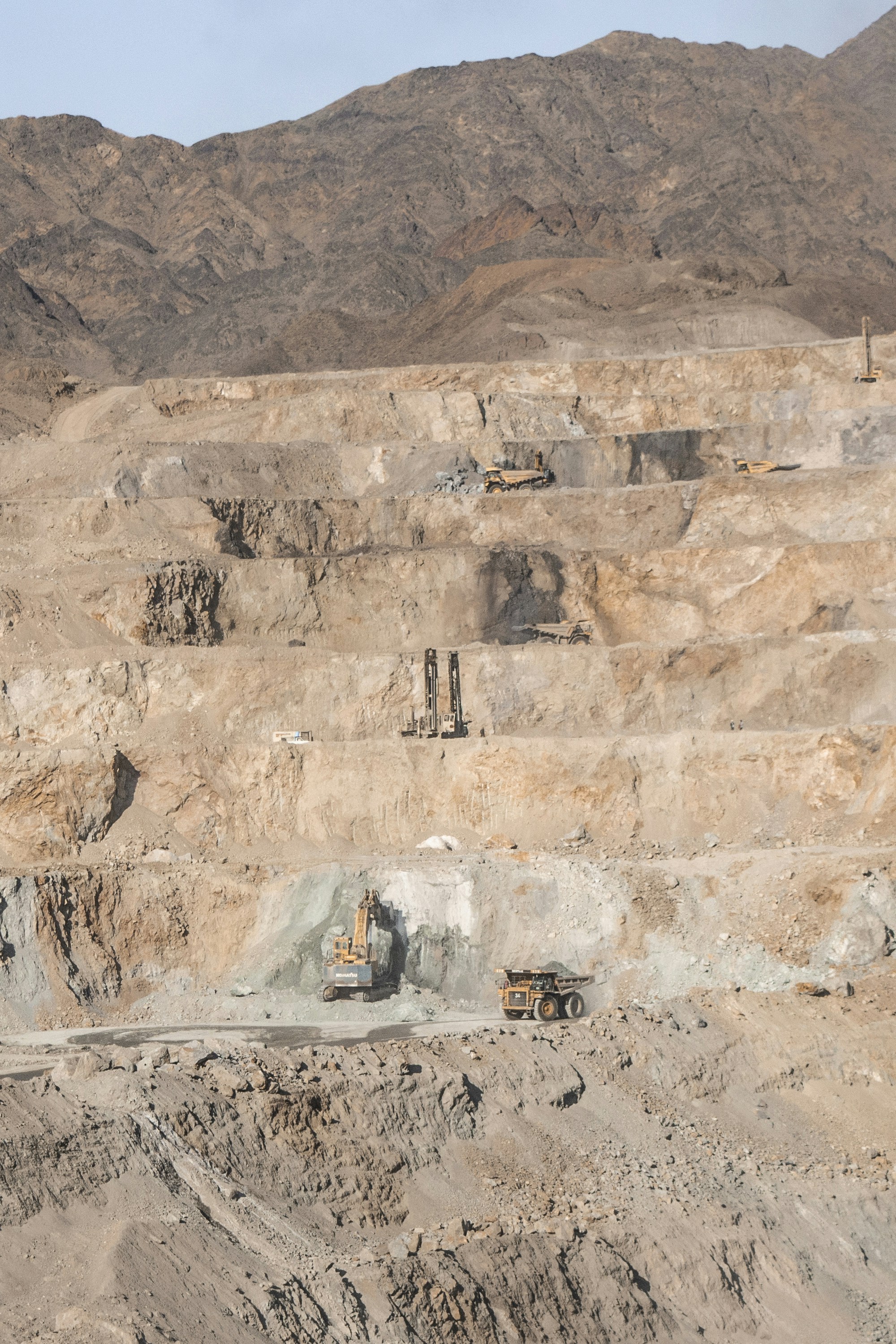
Copper is trading within striking distance of its 2026 highs after a string of mine accidents and supply disruptions from Indonesia to Chile collided with relentless demand from power grids, AI data centers and defense manufacturers.
The metal touched a record $6.95 a pound on September 22 before easing slightly to around $6.69 a pound by Friday — still up roughly 42% from a year earlier, according to Trading Economics data. On the London Metal Exchange, copper has surged as high as $10,336 a metric ton, its highest level since May 2024.
The biggest jolt came from Freeport-McMoRan's Grasberg mine in Indonesia's Papua province, the world's second-largest copper deposit, which suspended operations after a fatal mudslide killed several workers. Freeport declared force majeure on customer contracts and slashed its 2026 output guidance to roughly 478,000 metric tons of copper cathode, down from an earlier forecast near 700,000 tons, and said a full return to prior production levels may not come until 2027.
The disruption was compounded this month by the suspension of BHP's Escondida mine in Chile — the largest copper mine in the world — following a worker fatality, adding fresh uncertainty just as labor negotiations there were already underway.
A Deepening Deficit
Analysts estimate supply losses across this year's disruptions, including outages at the Kamoa-Kakula mine in the Democratic Republic of Congo and a protest-driven shutdown at Hudbay Minerals' Constancia mill in Peru, will reach roughly 591,000 tonnes between September 2025 and the end of 2026 — about 2.6% of 2024's global mine production. Bank of America has raised its 2026 deficit forecast to 350,000 tons, more than double its earlier estimate, and lifted its price forecast by 11% to $11,313 a ton.
On the demand side, copper consumption remains robust across electrification projects, power grids and the buildout of AI data centers, alongside steady defense-sector orders — a combination that leaves little room for further supply shocks without pushing prices higher still.
Traders are now watching whether smelters, many already contending with feedstock shortages, can secure alternative concentrate supply, and whether Freeport can accelerate the ramp-up of its Grasberg Block Cave expansion. For now, global mined copper output is on pace to decline this year for the first time since 2017.