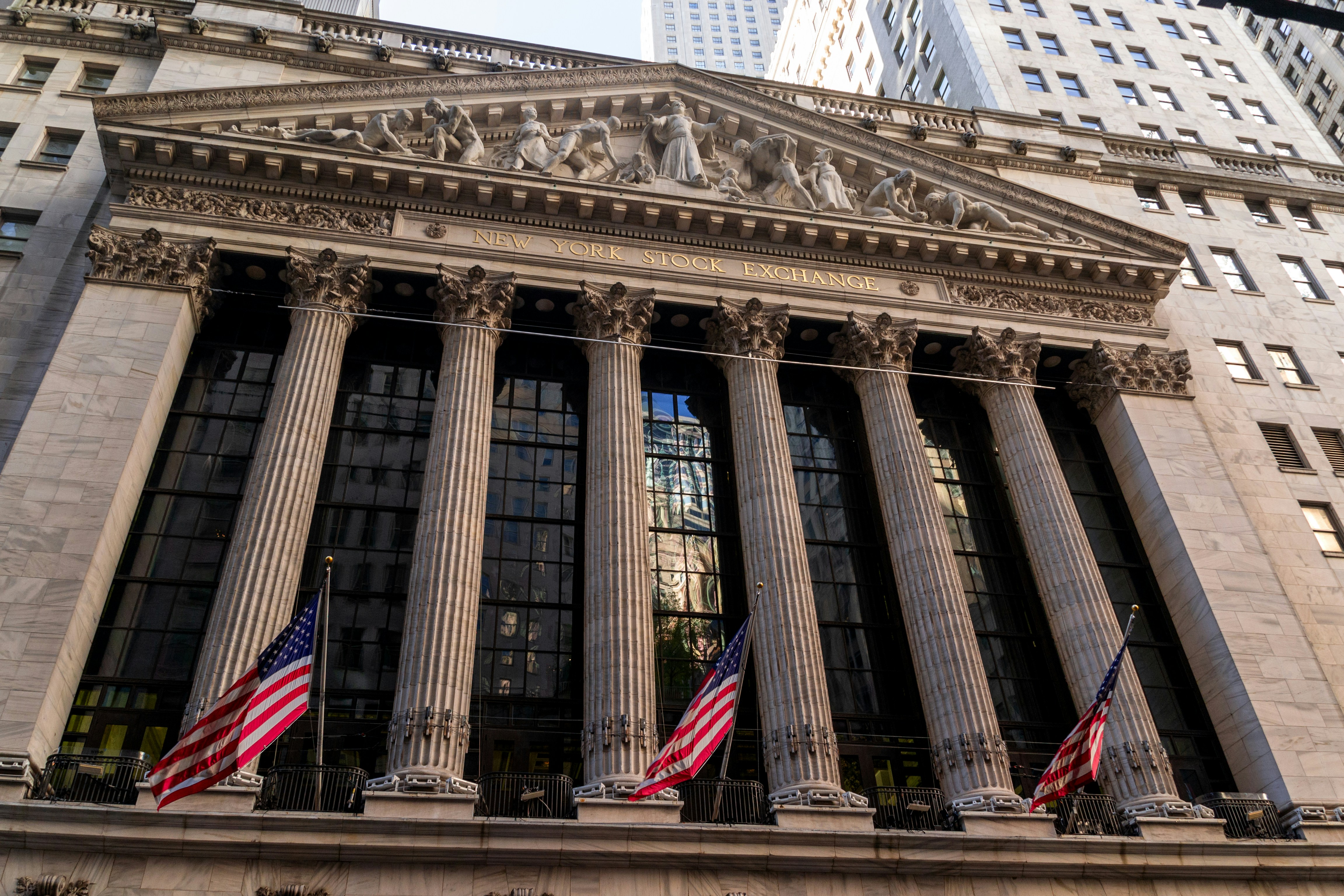
Wall Street closed out a turbulent week on a high note Friday, with the S&P 500, Dow Jones Industrial Average and Nasdaq Composite all rallying as crude oil tumbled on hopes that Washington and Tehran are nearing a deal to reopen the Strait of Hormuz to tanker traffic.
The S&P 500 climbed 0.51% to 7,743.41, the Dow jumped 478.64 points, or 0.93%, to 51,828.62 — snapping a three-week losing streak — and the Nasdaq Composite added 0.48% to close at 27,068.72. All three indexes finished the week higher, a relief after a stretch in which surging bond yields had rattled equities.
West Texas Intermediate crude fell 2.33% to settle at $92.41 a barrel, and Brent slid to just under $98, as traders priced in the prospect of a phased agreement to ease the near-total shutdown of tanker traffic through the Strait of Hormuz, the chokepoint through which roughly a fifth of the world's oil normally moves and which has been effectively shut for months amid the ongoing conflict between Iran and the U.S.-Israel coalition.
The conflict has scrambled energy markets across the Gulf for months, disrupting shipping and energy infrastructure not only in Iran but in several Gulf Cooperation Council states, and it has fed directly into the inflation numbers now vexing the Fed. Any durable easing of tanker traffic through Hormuz would remove one of the more volatile inputs into that inflation picture, which is part of why oil's slide Friday carried through into equities.
The rally came even as the 10-year Treasury yield pushed above 5.1%, its highest level since the global financial crisis, extending a selloff that began after the Federal Reserve raised interest rates by a quarter point on September 16, lifting its target range to 3.75%-4% and signaling at least one more increase is likely before year-end. The Fed's Summary of Economic Projections points to a median rate near 4.1% by December, and the rate anxiety has already spilled into housing: the average 30-year fixed mortgage rate has climbed roughly 38 basis points since Chair Kevin Warsh's late-August Jackson Hole speech.
Inflation Fears Meet a Fragile Truce
Warsh told reporters after the September meeting that inflation has been "too high ... for too long," and that policymakers "must be confident that underlying inflation is moving to our objective clearly and at sufficient speed" before pausing. That combination — a hawkish Fed and a war-disrupted oil market — has been the central tension driving bond and equity markets for weeks, and it is why traders reacted so sharply to Friday's oil-driven relief.
Not a crisis but an eye-opener.
Rick Rieder, BlackRock
That was how BlackRock's Rick Rieder characterized the bond selloff, capturing a market that is unsettled by inflation risk but not yet panicked. Adding to the unease, the University of Michigan's final September survey showed consumer sentiment slipping to 48.1, a four-month low, down from 51.7 in August, as households' expectations for their own finances weakened and year-ahead inflation expectations rose toward 4.6%. Elevated gasoline prices and fresh tariff escalation weighed on the outlook, the survey's authors said.
Movers, and What Comes Next
Beneath the headline numbers, trading was uneven. Akamai Technologies rose roughly 3% after unveiling an $11.6 billion multiyear cloud-computing agreement with Anthropic that also handed the AI lab a small equity stake, while Bank of America downgraded Nike to Underperform, citing risks to the retailer's turnaround that could delay a recovery investors have been waiting on for years. Costco also outperformed on the strength of its latest results, one of several bright spots in an otherwise cautious tape.
Investors head into next week watching for signs that the Iran talks translate into durable de-escalation, along with fresh economic data that could shape the Fed's next move. Futures for Asian benchmarks were mixed early Monday, with Japan's Nikkei 225 pointing modestly higher while Hong Kong's Hang Seng and Australia's S&P/ASX 200 futures traded below their prior closes — a sign that the relief evident on Wall Street has yet to fully spread overseas.