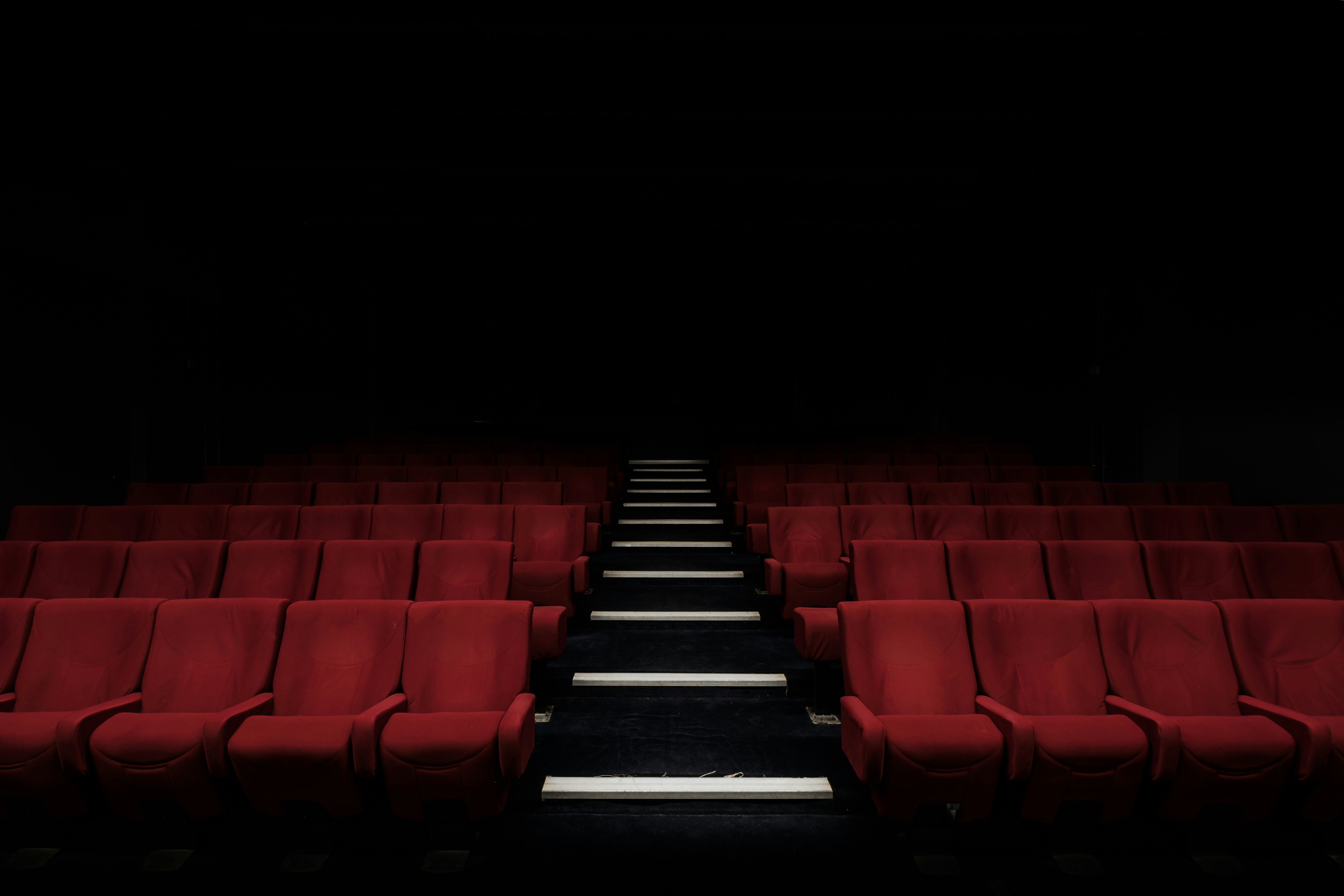
AMC Kips Bay 15, the 15-screen multiplex that has anchored moviegoing on Manhattan's East Side since 1999, will close by the end of 2026, the chain confirmed this week, ending a run at a theater that ranks as the second-largest AMC location in the borough and one of the few in the city with an IMAX screen.
AMC said the closure follows the property owner's decision to exercise a contractual right to end the theater's lease ahead of its scheduled expiration, a decision the chain framed as outside its control. "Since its opening in 1999, the theatre has been an important part of the Kips Bay community and surrounding neighborhoods, providing guests with a place to enjoy the magic of the movies together," the company said in a statement reported by CBS News New York. An exact closing date has not been set.
The theater sits on Second Avenue near East 31st Street and opened under different ownership in 1999 before AMC took over operations in 2006. Its footprint — 15 auditoriums including a large-format IMAX screen — has made it a default option for East Side moviegoers who would otherwise travel to Midtown or Union Square for a comparable slate of new releases, a point Time Out New York noted in flagging the closure as a loss for one of the city's few IMAX-equipped venues. Variety, among the first outlets to report the closure, noted that the theater's size made it a rarity among Manhattan's shrinking roster of large multiplexes.
A Widening Gap on the East Side
The Kips Bay closure extends a run of losses for moviegoers on Manhattan's East Side, which has already seen City Cinemas 86th Street and the Beekman Theatre shut their doors in recent years. With Kips Bay gone, AMC's Lincoln Square location on the Upper West Side — home to a 70mm-capable IMAX screen — becomes the chain's nearest large-format alternative, a considerably longer trip for residents of Murray Hill, Gramercy and the surrounding neighborhoods. Eight AMC theaters remain open elsewhere in Manhattan, including AMC Empire 25 in Times Square and AMC Magic Johnson Harlem 9.
Neither AMC nor the property owner has said what will take the theater's place once the lease ends. NY1 reported that neighbors have circulated speculation tying the site to a possible expansion by NYU Langone Health, whose Kips Bay campus sits nearby, though nothing has been confirmed by the hospital system or the landlord.
Community Pushback
State Assemblyman Keith Powers, whose district includes Kips Bay, said he is working with colleagues to explore ways to keep the theater running. "We certainly want to have a diversity of options to offer to people, and we think this movie theater is one of those," Powers said, calling for more transparency from the property owner about its plans for the site.
Longtime patrons interviewed near the theater described the closure as a loss that goes beyond screenings.
For me it's definitely a loss because it's not only about the movies and the theater, and everything. It's just like the community.
Kips Bay moviegoer, quoted by NY1
The closure lands amid a broader, uneven period for movie exhibition. Multiplexes nationwide have spent the past several years absorbing streaming competition and higher real estate costs even as individual releases — this summer's box office included a record-setting run for "Spider-Man: Brand New Day" and a surprise specialty hit in the Anthony Bourdain biopic "Tony" — have shown audiences will still turn out for the right film in the right room. What has proven harder to sustain, especially in dense urban markets, is the real estate math behind large-format multiplexes themselves, which require the kind of square footage that landlords in a tight commercial market can often lease more profitably to other tenants.
AMC has said it expects the theater to keep operating on its normal schedule through the end of 2026. But absent a change in the property owner's plans, the practical effect for East Side residents come January will be a longer trip to reach a big screen — and one less neighborhood theater to make it in.