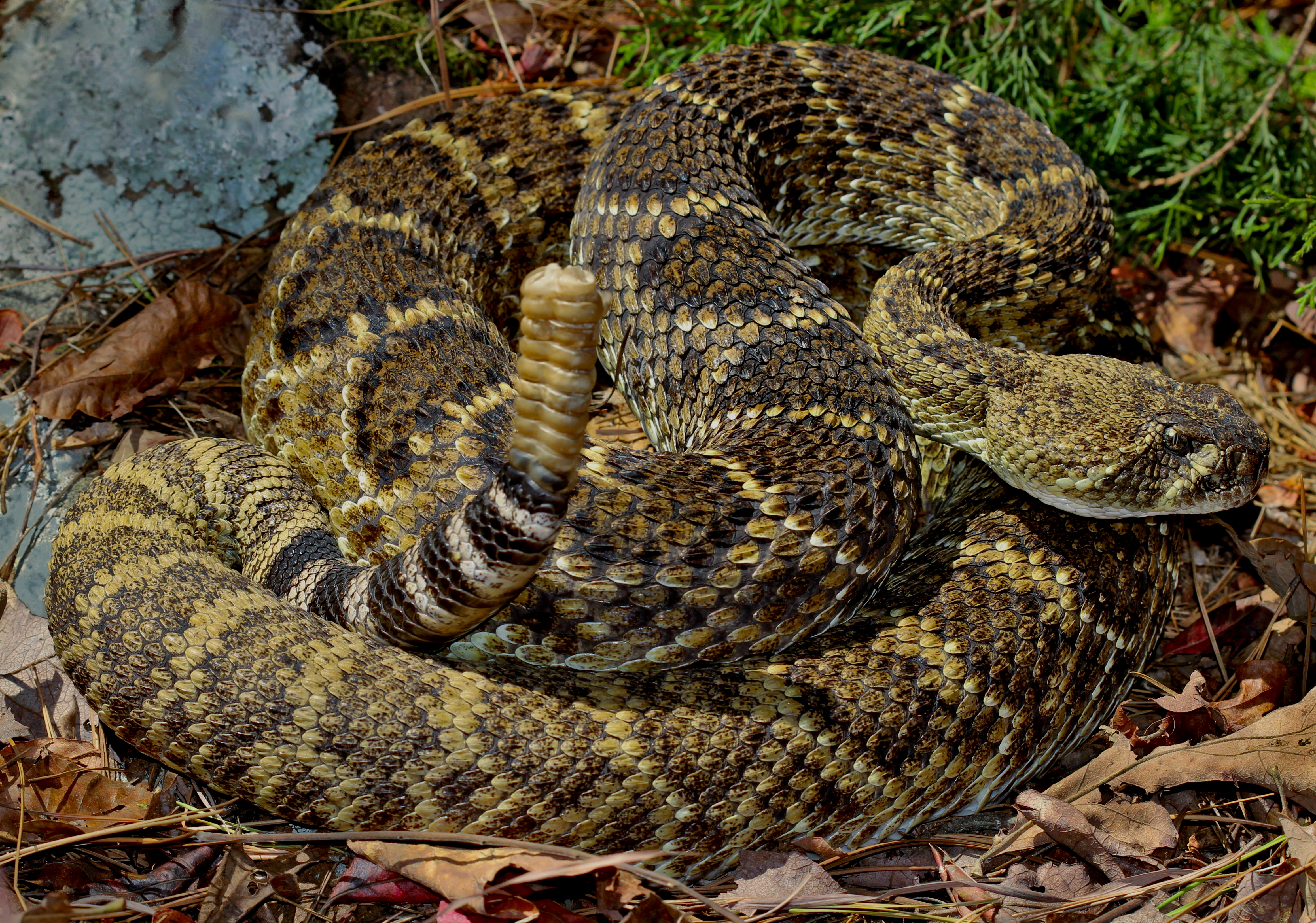
Snakes that produce lethal venom also carry, in their own blood, proteins that block that venom from harming them, and a new study finds that combining several of those proteins can neutralize snake venom in the lab far more effectively than the antivenom currently used in hospitals.
Researchers led by biologist Sean B. Carroll at the University of Maryland, working with Elda Sánchez at Texas A&M University-Kingsville's National Natural Toxins Research Center, focused on a family of blood proteins called FETUA that western diamondback rattlesnakes evolved to protect themselves from their own toxins. Individually, each FETUA protein blocks a different piece of venom's damage; some interfere with the enzymes that break down tissue, others counter bleeding-inducing components. Tested alone, none was very effective. Combined in specific mixtures, though, the proteins fully neutralized the lethality of rattlesnake venom in the lab and showed roughly ten times the potency of standard sheep-derived commercial antivenom, according to the study published in the Proceedings of the National Academy of Sciences.
The protection extended beyond the diamondback itself: the same FETUA combinations also neutralized venom from several other rattlesnake and viper species separated from each other by millions of years of evolution, suggesting the class of metalloproteinase toxins they block is broadly conserved across vipers, according to a University of Maryland account of the research.
Snakebite is classified by the World Health Organization as a neglected tropical disease, killing tens of thousands of people and disabling many more each year, disproportionately in rural areas of Africa, Asia and Latin America where refrigerated, species-specific antivenom is often scarce or unaffordable. Because FETUA proteins can in principle be manufactured biochemically rather than harvested by injecting venom into horses or sheep, as most antivenom is today, the researchers argue the approach could eventually be produced more cheaply and at larger scale.
We could make train cars-worth of this stuff and help solve a massive global health problem.
Sean B. Carroll, University of Maryland
The work so far is confined to laboratory neutralization assays; it has not been tested in snakebite patients, and the authors caution that developing an approved treatment will require further toxicology work and human clinical trials, a process likely to take years. The team says veterinary applications, such as protecting dogs and livestock from snakebite, could reach the market sooner than a human product. Reporting on the study, published July 29, noted the findings have drawn interest from antivenom manufacturers exploring whether the protein combinations could be scaled into a production process.