Russia Unleashes Record Drone Swarm on Kyiv Hours Before Zelensky's UN Address
A record daytime drone barrage killed two and wounded dozens in the Ukrainian capital hours before Zelensky pressed the UN for continued Western support.
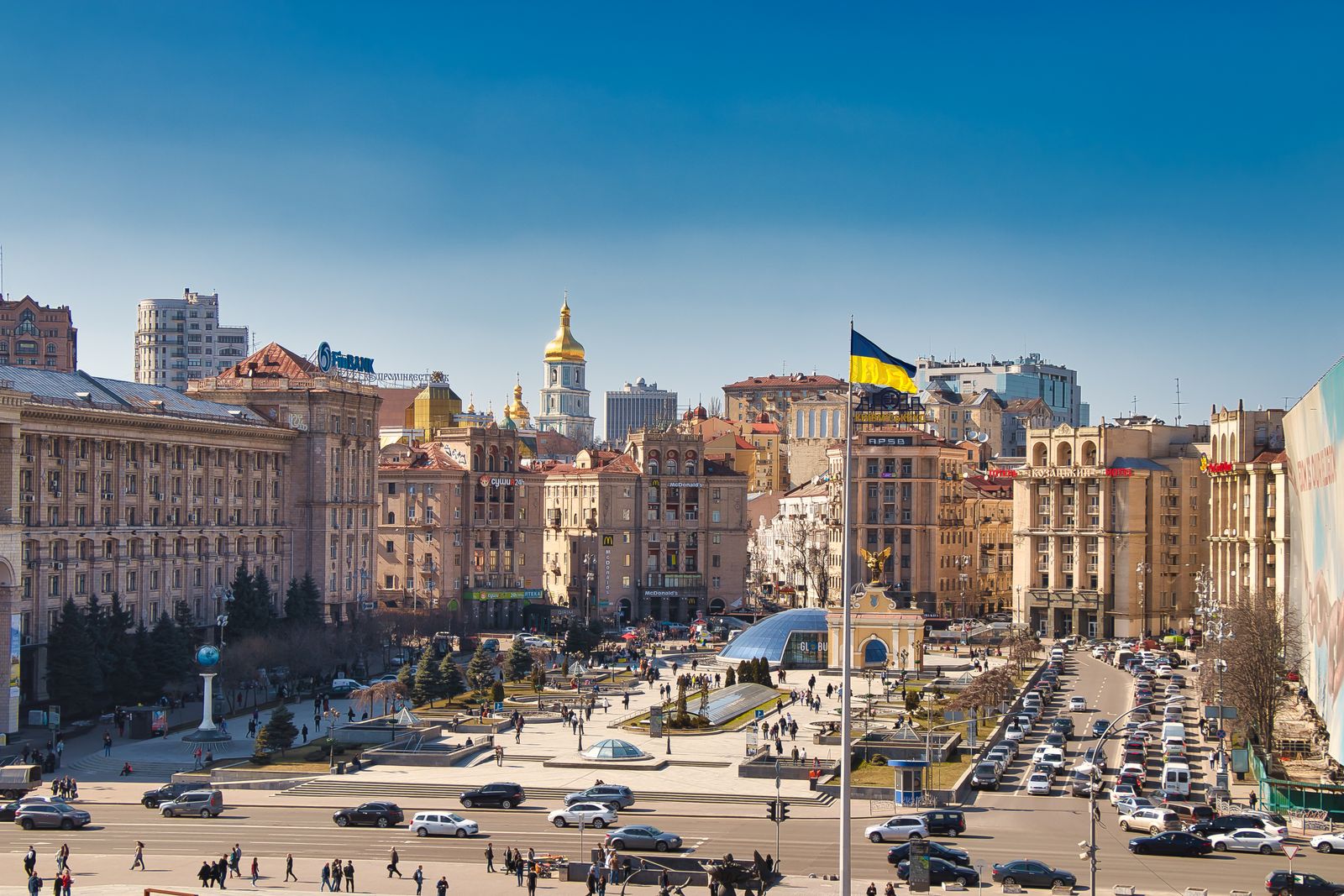
Russia carried out one of its largest daytime drone assaults of the war against Kyiv on Wednesday, killing two people and wounding at least 43 in the Ukrainian capital just hours before President Volodymyr Zelensky was due to address the United Nations General Assembly.
Ukrainian officials said the barrage began before dawn and continued into early afternoon, with residents enduring eight separate air-raid alerts since midnight. Ukraine's air force said Russia launched roughly 161 attack drones, a mix of Iranian-designed Shahed models, newer jet-powered variants that fly faster and higher, and decoy Gerbera and Parodiya drones, across the capital. Kyiv Mayor Vitali Klitschko said strikes hit three districts, Holosiivskyi, Darnytskyi and Solomianskyi, according to the Kyiv Independent.
Among the sites hit was Shayba, a historic indoor market built in the 1970s near Kyiv's central railway station, which caught fire during the assault. Drones also struck a nine-story residential building, a four-story business center, fuel stations run by the state oil company Ukrnafta, warehouses and railway infrastructure, injuring one rail worker. Strikes on data centers run by two internet providers knocked out service for roughly 100,000 households, officials said.
Al Jazeera reported that the nationwide toll from Wednesday's attacks reached at least six dead, with four additional deaths in the eastern Donetsk region and more than 30 people injured in Kyiv alone, figures that shifted slightly from the Kyiv Independent's capital-only count as officials updated casualty numbers through the day.
A barrage timed to diplomacy
The assault landed hours after Zelensky met President Trump on the sidelines of the UN General Assembly in New York on Tuesday to discuss a possible energy-infrastructure ceasefire, and just before Zelensky's own address to the assembly.
Russia continues to turn civilian and critical infrastructure into targets: pharmaceutical facilities, gas stations, railways, communications infrastructure and shopping malls.
Volodymyr Zelensky, President of Ukraine
The strike is among the heaviest to hit Kyiv since a bombardment in late August that Ukrainian officials at the time described as overwhelming the capital's air defenses. Officials and independent analysts have said Moscow's growing reliance on faster, jet-powered Shahed variants, which travel at speeds that make them harder for Ukraine's aging interceptor stock to down, is straining the country's air-defense network heading into a fourth winter of full-scale war.
No opening toward talks, Kremlin says
Kremlin spokesman Dmitry Peskov said Wednesday that there are no prerequisites for moving onto a peaceful negotiating track, even as he maintained Moscow remained open to talks in principle. Russian officials have continued to insist that any meeting between Zelensky and President Vladimir Putin take place in Moscow, a condition Kyiv has repeatedly rejected as a non-starter.
The timing put fresh pressure on the diplomatic track Trump has pursued since taking office, which has centered on energy-sector ceasefires and prisoner exchanges rather than a full settlement. Trump has recently floated a range of postures toward Moscow, from renewed sanctions threats to talk of a broader deal, without securing a durable pause in the fighting.
Zelensky was expected to use his UN platform to press allies for continued air-defense supplies and financing as Ukraine heads into another winter under bombardment, while reiterating that Kyiv sees no realistic path to negotiations while Russian strikes on civilian infrastructure continue. Ukrainian officials have said they expect further waves of long-range strikes as temperatures drop and Moscow again targets the energy grid, a tactic it employed in each of the previous three winters of the war.
Wednesday's barrage also underscored how the war's front line has shifted, in some respects, from the trenches to the skies above Ukrainian cities. Kyiv's municipal authorities have spent the summer racing to reinforce bomb shelters and expand mobile air-defense units after a string of record-setting drone waves, even as officials acknowledge that interception rates have slipped as Russia mixes cheaper decoys with the newer jet-powered models. European allies, some of whom have pledged additional Patriot batteries and interceptor missiles in recent weeks, are expected to face fresh appeals for accelerated deliveries in the days following Zelensky's UN address, with Kyiv arguing that its air shield, not new sanctions alone, will determine how much more damage Russia can inflict before any negotiations become realistic.
Covers the Arctic, the Nordics and the politics of the far north for UBStandard — shipping lanes, energy and climate at the top of the map.
[email protected]